Search This Blog

CCE in brief

My photo
Recovering backpacker, Cornwallite at heart, political enthusiast, catalyst, writer, husband, father, community volunteer, unabashedly proud Canadian. Every hyperlink connects to something related directly or thematically to that which is highlighted.
Showing posts with label War Room Politics. Show all posts

Tuesday, 19 August 2014

On @jandrewpotter's Response to #Ferguson and War Room Politics (UPDATED)


I don't know if Potter quite intended to make this point, but there it is.  When he talks about the increased militarization of society on the whole, he could just have easily pointed a finger directly at War Room politics.

Partisan politics is all about forcing a political outcome.  It tends not to involve violence and deadly force, lately, at least in some countries - but that wasn't always the case.  As Potter hints at, we've seen a slow debasement of standards in politics, a subtle shift that has allowed more and more questionable tactics to be used.


Destroy your opponents?  Hate, step on their throats, etc?  How is this a healthy way to engage in policy debate in a democratic country?  Yet that's how war-roomers frame the battle between them and the barbarians at the gate, or in office.  

Only we can save you from them.

It's not much different from the mentality that produces lines like "bring it, you fucking animals, bring it."

They will eat your babies and salt your land out of sheer malice, given the chance.  Heck, they're trying to do both already, aren't they?

Truth be told, plenty of partisans are just like the cops Potter describes; they relish the combat and want to rack up wins, whether it's for bragging rights or for career advancement.

Instead of guns, though, they use robocalls, Nationbuilder and behavioural economics to force their wins and defeat their foes.

As I've written before, though, this is the sort of slow creep from which actual shooting wars always start. We're seeing that play out right now.

Potter makes another crucial point, though, that has been lost in the fog of pseudo-war:


Police officers serve and protect.  They are keepers of the peace who, by the nature of their work, face extraordinary risk to life, life and mind.  Soldiers are different.  Soldiers are trained to walk into the line of fire; there job isn't to preserve peace, but to fight for it.  It's a completely different enterprise.

Funny enough, we're seeing a strange shift in behaviours; friendly neighbourhood cops are being replaced as the cliche by heavily armed, tough-talking cowboys in SWAT gear while the US military has become the biggest consumer of Positive Psychology in North America.  

Soldiers are learning about social-emotional learning and communication at the same time as how to survive in the war zone.  There are some police I know who get this stuff and are committed to using the positive tools available to do their job - to serve and protect - better.  Having said that, there are lots who simply love the power of wearing a badge and carrying a gun.

Soldiers accept that sacrifice is part of their job; they, as people, come second to the cause they serve.  Both sides will have guns, both sides run risks which have often been mitigated by codes of honour like bushido or chivalry.  Omerta is not a code of honour - it's a defense for the Prisoner's Dilemma.


Cops don't have the same level of skin in the game; they could and probably should expect to punch out form their day job and have a regular life at home, same as anyone.  As such, risk doesn't play the same way for police as it does for soldiers.  


Which is partially why we've seen an escalation of weapons and tactics among police, especially in light of 9/11, but even in response to situations like G20.  They want to be in control of any given situation, but they don't want to be at risk.  More guns, armour and the like helps mitigate their risk as crowds grow in response to an increasingly disengaged decision-making class and the consequences of armchair policy making.

The truth is, folks, you can't take the risk out of war - certainly not against your own people, not without becoming a doomed-to-fail tyrant.  Trying to do so unilaterally and without a willingness to honour your opponents as you'd like to be honoured yourself is a sure-fire way to escalate tense situations into shooting conflicts.

Something that also holds true for political parties, by the way.

I hate to say it, but things are likely going to get a lot worse before they start getting better, which bodes well for none of us.

UPDATED 20/8/14

Reflecting on Potter's piece this morning, another strand stood out:

6. That is why the real problem with what we are seeing in Ferguson is not the equipment, but the culture. And by that I don't just mean the culture of policing, but our culture as a whole. Over the past decade, the dominant themes and motifs of our culture have become increasingly militaristic.

Why is that?  Why are we developing into an increasingly militaristic culture that is so focused on being able to compete and score wins?

A couple thoughts on this.

We live in a consumerist culture that pushes the notion of entitlement for all.  You deserve to have the latest phone, or sneakers, or whatever; if you're not part of the latest franchise craze, well, you're being left behind. 

It used to be that only elites felt a sense of entitlement; either by birth, luck or in some cases, actual talent, they got more access and the means to control access to others.  That control of stuff like money and policy led to a sense of social divinity, that they could do no wrong by virtue of being who they were.

We still have a highly entitled elite; one of the messages they and others are conveying is that, in a supposedly flat world, there should be no redistribution of resources, no sociology - just pure free market capitalism.  To get ahead, people need to be competitive.

What do we tell our kids?  They have to be number one.  What do we tell people on the job market?  They have to be expert salespeople, in addition to whatever else they used to be.  No longer do we have sellers who seek out services to sell; now, we have a neofeudalism, where the front-line is supposed to be master sellers, pay their own way and provide for the elites.

If you're going to survive in a competitive world, you need to be tough, aggressive, have the best tools, right? 

That's the culture we have; each to their own, success through aggression.

Explains a few things, doesn't it?
 

Monday, 18 November 2013

Jesus, Rob Ford and Stephen Colbert Walk Into a Polling Booth...


Stephen Colbert is a satirist.

Through the TV persona he uses on his comedy show, The Colbert Report, he lampoons the stereotypes of the White Right Male - angry, ignorant, superior, flippant, antagonistic, bigoted, functionally fixed.  He is Rush Limbaugh, he is Glenn Beck, only with a sense of irony.

As in the best tradition of parody, Colbert's intent is to show how ridiculous these tropes become when faced with reality.  Case in point:


There's gotta be part of Colbert that thinks he's been one-upped by Rob Ford; what Colbert has done in measure to right-wing media pundits, Ford has done in spades to actual right-wing politicians.


Rob Ford has abused the people's trust, but still talks about accountability.  He maintains his "tough on crime, don't hug a thug" positioning even after he's confessed to consorting with criminals and patronized the sort of illegal activity that ruins and ends lives.  No matter how many times Ford apologizes, he keeps on keeping on in his own variant of Reservoir Dogs' Commode Story.   

Ford's assuming that if he just sounds and looks confident enough he won't get caught in his bad behaviour, can spin his way out if he does get caught or that people simply don't care, so long as their taxes are low and someone's sticking it to The Man.  He's an extreme, but hardly alone in this approach.

DUIs?  We've got pols at every level who've been caught in the act, gotten away with it and continue to talk tough when it comes to judging the behaviour of others.  Wasting taxpayer dollars for partisan gain?  Same thing.  How about sanctioning criminal behaviour, abusing public trust, abusing public dollars, bald-faced lying and sticking to carefully-crafted talking points that they clearly don't believe themselves?

We are rightly disgusted by the extremes of Ford's behaviour; other politicians, even some of his former allies have called Ford's actions out as unacceptable.  The fact is, though, Ford had a point when he said his political colleagues live in glass houses.  

While we and our political representatives are rightly outraged at the extremes of Rob Ford's behaviour, we tend to look the other way at misdeeds of our own that rest on the same spectrum, so long as the consequences to us personally aren't that dire.  That, after all, is one of the key reasons Rob Ford won in the first place - he was deemed to be a closer reflection of the common man and therefore more likely to behave as any of us would behave should we hold high office.

Rob Ford isn't an unprecedented political anomaly; if anything, he's a caricature of modern politics on the whole.

We are constantly told not to question the political sausage-making process, to pay no attention to the cynical political manoeuvres behind the curtain.  As bits and pieces of the behind-the-scenes reality of politics emerges, it's not hard to see why.  The partisan factories where spin and policy get squeezed into sound bites are festering with dirt and harmful bacteria.

Case in point?  At this very moment, there are politicians and political operatives positioning themselves for the next election, pulling from the exact same divide-and-conquer playbook that landed us with Ford in the first place.  Worse, they do this at the same time as deriding the cynical techniques they themselves are using.

They clearly don't care if they're pouring oil on our burning political platform - why should they?  We clearly don't care, either.


Stephen Colbert is a satirist.  Rob Ford is a parody.  In both cases, it's the collective, selfish and short-sighted us that's the punchline.


Friday, 15 November 2013

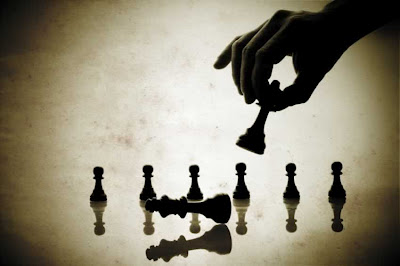
The Fog of Politics: Winning is Not a Virtue


Coyne is wrong (but in the most elegant prose possible).  Harshly divisive messaging is not the sole purview of the the Political Right in Canada.  It's practised by all Parties, in fact.  Whereas theoretically, there was a time where policy was the driving force behind any Party's aspirations, that hasn't been the case for as long as I've been engaged in politics.  

Instead, policy is merely one tool in the box - and not always the most effective one.  There's more risk of losing when you emphasize what you stand for; it's much safer to focus on tearing down your opponents, demoralizing their base and tying any and every scandal out there to the other guys, while simultaneously presenting as low (and opaque) a profile as possible to avoid return fire.  Voters are viewed as blocks that can be sold niche policy planks; you don't need to please everyone all the time, you just have to individually please enough "coalitions" to win power.  In this scenario it's numbers that come first, policy that comes second and belief possibly, but not inevitably, coming after.

That's pretty cynical, isn't it?  Democratic Politics is about presenting platforms, debating ideas and ensuring that the people has a government that generally represent the interests of the majority, after all - it's not like it's war.

     (from The War Room by Warren Kinsella)

The Democrats, led by James Carville - not by Bill Clinton.

Maybe that's splitting hairs.  Carville led the War Room, obviously - not the Party.  Right?

It's a tail wagging the dog thing.  When you take a look at any of the many scandals that have plagued Canadian politics of late - everything from the Senate Scandal to the 2012 byelection in Waterloo to the BC "ethnic outreach" - there's a common theme that emerges.  

These scandals weren't accidentally stumbled upon by naive or opportunistic politicians; they were carefully planned strategic plays designed by back-room operators with no elected skin in the game

More often than you'd think, even political leaders have become shadow puppets for behind-the-scenes strategists who are at least as interested in scoring wins and the militant pleasure of beating opponents as they are supporting individuals or ideologies that they believe in.  

File:GeorgeSPatton.jpg
Politicians will work hard to secure the best organizational, strategic, communications, new media and War Room talent they can for they know those people (and the money that pays for them and their work) are the ones who win elections.  The strongest leader with the most powerful vision would be lost without a solid team to raise them above the data smog that blankets modern society.


These partisan hawks have become the George Pattons of modern politics - itching for a fight and relishing combat. 

The business of governing that takes up time between battles provide opportunities to make money consulting, but what they live for are elections.  Remember the last time partisan campaigns took a back burner to the proper functioning of Parliament?  No?  You see what I've getting at.

Three pieces of advice I have received from back-room masters from across the political divide frame the reality nicely:

1) Our job was to disrupt the House.  If I could have thrown a crate of monkey into the Legislature, that would have been a win.  We want to stop them from accomplishing anything, so that when the election comes, they've got no wins to run on.

2) People don't care about politics, about Parliament, or about politicians.  They care about what matters to them individually, not collectively.  If you're not focused on the individual wins for them, you're wasting your time.

3) You don't have to know what you're talking about - you just need to sound confident.  You get challenged, you keep your message simple, your voice strong and ride it out, like a game of chicken.

These are the games being played right now in Toronto by backroom operators either supporting future Mayoralty candidates or trying to create candidates to serve as their entry fee.  

These are the same shenanigans that landed us with Rob Ford in the first place.  When John Tory decided not to toss his hat in the ring, organizers on the Political Right needed some horse to back.  Ford provided that horsepower.

Albert Einstein said that "We can't solve problems by using the same kind of thinking we used when we created them."  I'm inclined to agree, as are many.

Despite all the rhetoric about values, we have a political culture that considers winning the ultimate virtue.


Monday, 28 October 2013

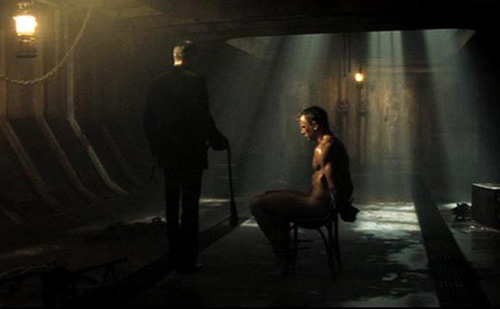
Political Skyfall


Listening to the beautiful theme from Skyfall while reading the morning news got me thinking about Canadian Politics.  As secret emails and whispers of political hit-lists become public, the average citizen is getting a dark look at the process behind our politics and it's not a pretty sight.

Arrogant agents gone rogue, or acting with the tacit permission of eye-turning political bosses.  Truths being buried, forgotten and spun.  Tales of money lost, of individuals threatened and a select few people living by a set of rules that differ from what's expected of the average public.  Then there is the messaging, the carefully crafted turns of phrase designed to communicate in one direction only.You know the rules of the game; you've been playing it long enough.
You'd be surprised how many political operatives see themselves as pseudo James Bonds; tough, competitive, willing to do what needs done in a dark world to keep the forces of evil at bay, or to keep their own team in power.  They stand tall, frequently drink hard, and are extremely confident in their ability to do what they do - it just happens that what they do isn't very nice.

To them, the world's not a particularly nice place.  It's full of operators just like them, playing to win; spying on Brazilian Presidents, issuing deliberately misleading robocalls, parodying then cribbing Opponents' policies, playing one segment of the population against the other to secure votes are all just tricks of the trade.  There's no middle ground in this game; you win or lose, and if you're not willing to do what it takes, someone else will.


That, political people will tell you, is the uncomfortable truth that people don't want to hear - politics is an ugly business.  Attack ads are used for one simple reason - they are effective.  Nobody likes to talk about this reality, but it remains the reality none the less.  Politics is war and someone's got to do the bloody work, which is why we have War Rooms, isn't it?

When you see yourself as the tip of the spear, you see yourself as doing the essential dirty work that others don't want to get their hands dirty with.  As such, there are certain compensations one feels entitled to.  

Bond abuses the public purse for the finery to which he feels entitled; he treats the bits of public property that line his utility belt with abandon.  He disregards the rules of superiors to maintain the security of his country, ignoring that fine mental line between aggressive service and bloody revenge.  After all, that's the job he's paid to do - use his judgement in the field and keep threats to his employers and his country at arm's length. 

For their part, Bond's superiors are willing to give Bond a lot of leeway, because he produces results.  They tend not to worry about the destruction of public property that goes along with his methods; in fact they turn a blind eye to what he does, so long as he wins.  

Until, that is, that methodology becomes public.

That's where Skyfall finds James Bond and M - relics of a less-connected, more individually consequence-free past, operating with yesterday's code of conduct, getting in trouble for unjustifiably collected secrets and quietly unethical practices for which justification can't be spun.

That's kind of where we are with politics, too.  


Mike Duffy was hired to do a job - beat the drums of war and motivate the Conservative base to open their wallets, which they did; does that not deserve a bit of leniency on the hard-and-fast rule of political ethics?  Could that explain at least part of the story he's spinning of willful enabling by the Conservative Party?

Nigel Wright did the same; he was given a crisis to King and Party to solve and did his job.  

David Price and Sandro Lissi?  You can't train loyalty, which is why Ford brought them in.  He knew they would get the job he wanted done; broader consequences weren't an issue.  Should anything untoward come to light, the politicians just need to minimize, bait-and-switch or if all else fails, sacrifice the agent to protect the sanctity of the Party (which often as not stands in as cover for their own skins).

There are more than a few leaders attempting to pull the plausible deniability card; they didn't know what their operatives were doing, be it about scandals, video tapes or gas plants.  It's an old line, but in these days of transmedia, social murmeration and stories that seem to have legs beyond where they should,  the appearance of accountability and authenticity doesn't cut it.  People are demanding the real thing, raw and unfiltered.

Which is why the War Room spinmeisters and the bosses that enable them are facing an existential crisis.  They have operated under the convenient belief that people don't want to be consulted on process or end product; the job of politicians is to present visions that the public can choose from, period.  The rest of the political process they compare to sausage making; people don't want to know what goes into the product, they just want the product itself.  So back off, people - and let them to their work.

It's an apt metaphor, worthy following through; politics is like sausage, as are the policies they result in.  The end product is not as healthy for the people as it could and should be, largely due to the lack of transparency around what goes into making it.  In today's climate with email trails, social media and citizen investigative journalism, that process is increasingly coming to light and people don't like what they see.  

In fact, there's a growing social movement for both increased transparency of process and increased input from the general public; the more we see what goes into political sausage, the more we realize we've been duped and sustained on a diet of chum bits.  There's blood in the water; what we crave now is meaty substance.

The revelation of process doesn't reflect well on the politicians who have sanctioned War Room politics for so long.  As the cognitive dissonance of standing for one thing but practicing another reverberates more loudly, something has got to give.

This leaves the War Roomers in the same precarious place Bond finds himself over the course of Skyfall - as champions of old ways being questioned, uncertain if there is still a place for what they do.


Let the sky fall
When it crumbles
We will stand tall
Face it all


It's a question the pointy-end people have a hard time answering at face value.  Confident, competitive and aggressive, they don't get ahead by giving in to doubt or insecurity or by questioning their own tactics.  They get ahead by exploiting the doubts and insecurities of others.


These folk aren't trained to register crises of institutional faith or paradigm shifts - to them, the political landscape is just an ever-shifting battle field. 

For seasoned political operatives, the shadowy battle for public hearts and minds and against enemy Parties never ends.  Is it any wonder they fear the trend towards open government and open data?

It's no coincidence that we're seeing a growing friction between politicians and the political operatives that have served them loyally, just as it's not happenstance that this tension is mounting at a time when more and more people are recognizing that our democratic system is broken.

War Room political operatives see two-way consultations and meaningful dialogue as weaknesses, creating openings that less-civic minded opponents will exploit.  They will fight to keep the Berlin Wall of politics in place.  

Of course, change will happen - it always does.  As with any good story, the question is who will get sacrificed before the last act is over.